


Solar Battery Maintenance Tips to Extend Your System's Lifespan
With more homeowners and businesses pouring money into solar energy systems, solar batteries hold the key to higher efficiency and grid independence. Though solar panels take all the limelight, the storage and backup power of your system is really run by the solar battery.
To get the highest return on investment, solar batteries should be properly maintained. Regardless of whether you are using lithium-ion, lead-acid, or any other battery, maintenance will keep your system from deteriorating rapidly.
Here in this guide, we'll take you through practical solar battery maintenance tips that can help prolong your energy storage system's lifespan. We'll also mention briefly the importance of using well-known solar inverters manufacturers or suppliers, since they are part and parcel of the compatibility as well as good health of your system.
Why Solar Batteries Require Maintenance
Solar batteries are not plug and play. As with any technology, they will deteriorate if properly
maintained. If you neglect them, you can look forward to problems such as diminished capacity to hold energy, abrupt failure, or even dangers.
By following some easy steps to maintain your battery, you can:
● Extend its life
● Boost energy efficiency
● Ensure safe performance
● Prevent expensive repairs or premature replacement
Best Solar Battery Maintenance Tips
1. Store the Battery in an Air-Conditioned Area
Severe heat or cold significantly impacts the life and performance of a battery. Solar batteries perform optimally within 15°C to 30°C (59°F to 86°F). Any temperature outside this range will cause inefficiency or damage over time.
Tips:
● Use batteries in shaded, well-ventilated enclosures
● If cold temperature is a factor, use insulation or warm batteries
● Do not subject batteries to sunlight or direct contact heat sources
2. Monitoring Depth of Discharge (DoD)
DoD is the proportion of the battery capacity being drawn to the total capacity. Deep discharging a battery every day will reduce its lifespan.
Best practices:
1. For lithium-ion: maintain DoD between 80–90%
2. For lead-acid: avoid below 50% on a daily basis
3. Utilize inverter settings to restrict levels of discharge
Engaging proficient solar inverters manufacturers or suppliers ensures that your inverter can perform precise charging and discharging so that you can keep your battery in its optimal
condition.
3. Check Connections and Cables from Time to Time
Loose, corroded, or damaged connections on cables can impact performance and even lead to fires. Get into the habit of visually checking every few months.
Checklist:
● Check for corrosion or color change
● Tighten loose terminal connections
● Clean the terminals using a baking soda and water solution (for lead-acid)
Tip: Switch the system off first when dealing with electrical parts and wear protective gear.
4. Keep the Battery Clean and Dry
Moisture, dirt, or dust around your battery bank can result in corrosion or short circuit.
Maintenance schedule:
● Clean batteries with a dry cloth
● Ensure no water enters the battery compartment
● Ensure proper ventilation to avoid humidity
5. Inspect for Leaks, Bulging, or Swelling
These are indicators of overheat or chemical distress — particularly in lead-acid and older
lithium batteries. If you notice any of these, discontinue use of the battery and have it inspected by a technician.
Preventive measures:
Abstain from overloading the system
Maintain charging settings in range
Never expose the battery pack to overloads
6. Employ a Battery Monitoring System
A quality monitoring system allows you to monitor performance metrics like voltage, temperature, state of charge, and cycle count. Most new batteries provide mobile phone apps or remote access software.
BENEFITS:
● Real-time notification in case anything goes wrong
● Data logs for diagnostic purposes
● Greater efficiency in energy consumption
Specialty-grade products sold by well-known solar inverters manufacturers usually have battery monitoring software installed.
7. Balance Your Lead-Acid Batteries (If Necessary)
This step maintains the charge in each cell equalized and prevents sulfation. Most solar charge controllers feature an auto or manual equalization mode.
Note: This is for flooded lead-acid batteries only. Never equalize sealed (AGM or Gel) or lithium-ion batteries.
8. Periodically Check the Battery Voltage and Capacity
Testing your battery's voltage can show you how well it is holding a charge.
Voltage range examples:
1. Fully charged 12V lead-acid: ~12.7–13.0 volts
2. A fully charged 12V lithium-ion: ~13.6–14.4 volts
Consult your manual for precise ranges. If voltage is consistently lower than healthy, the battery may be failing.
9. Update of Firmware and Software
If your battery system is compatible with smart technology or hybrid inverter, software updates are essential. The updates can:
● Improve energy efficiency
● Fix bugs
● Add new functions
● Enhance the overall life cycle of your system
Go to your solar inverters manufacturer or supplier from time to time for an updated version of your inverter software or battery management system.
10. Professional Annual Inspection Schedule
Yes, although you may be fine with performing some of the maintenance yourself, it is worth having a technician visit your system annually. They can:
● Run diagnostics
● Test internal components Clean or replace damaged parts
● Update firmware and configure parameters
Regular maintenance keeps your battery healthy and within warranty conditions.
Don't Forget Your Inverter!
Your solar inverter is a critical component of your battery health. It delivers charging and discharging, voltage regulation, and protection. An inefficient or low-quality inverter can shorten the life of your battery — even if your battery is properly maintained.
Pro tip: Never charge your battery using a cheap, compatible inverter from any unfamiliar solar inverters manufacturer or supplier. Spend a little more on quality and save money and trouble in the long run.
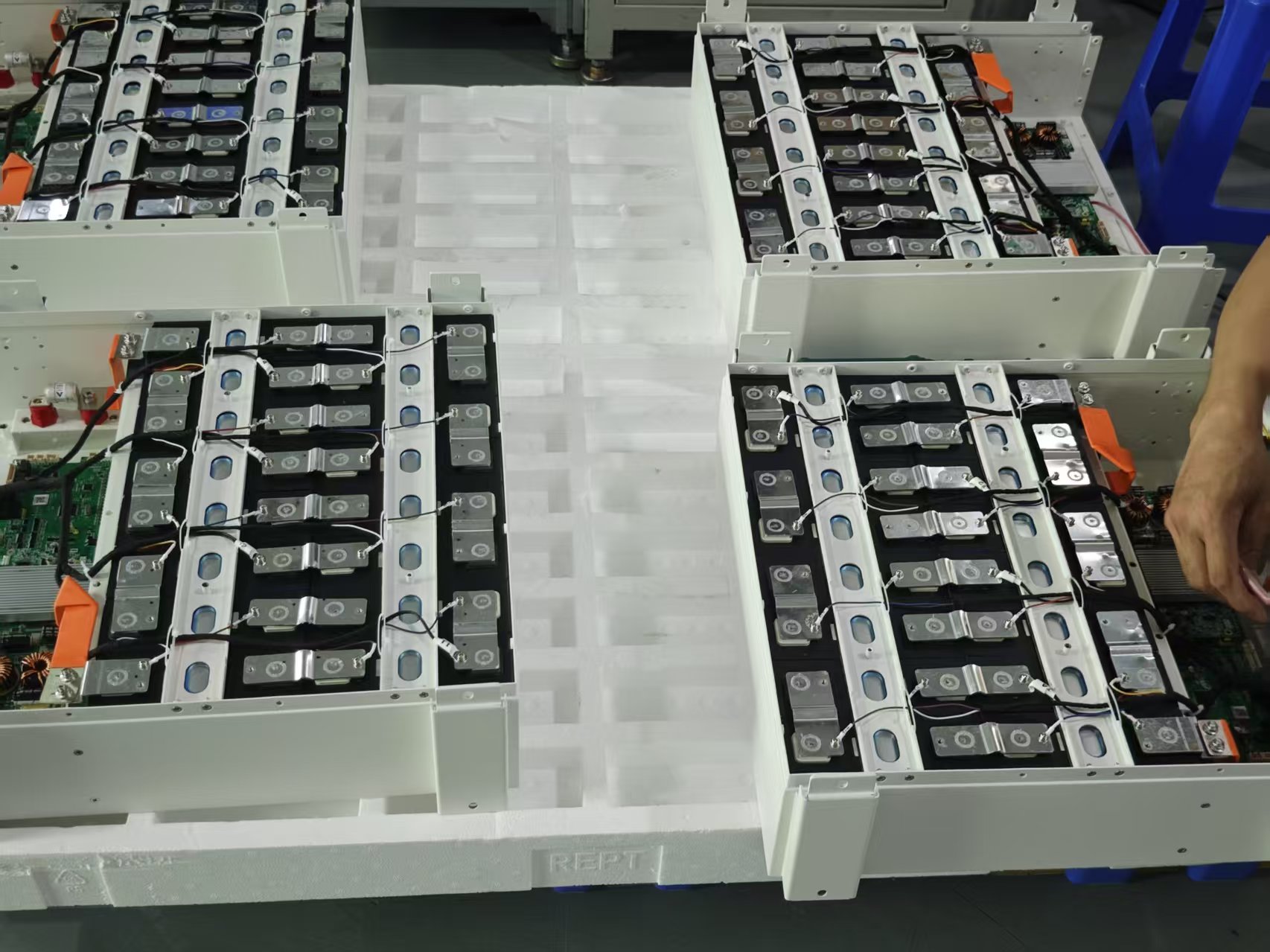
A Healthy Battery is a Long-Lasting
Battery Solar batteries are an investment, and like with any valuable asset, they need to be serviced and maintained. Periodic service can extend the life of your battery, safeguard your solar energy investment, and provide you with reliable power when you need it the most.
Why You Should Choose Foxtech Solar for Efficient Energy Storage
When it comes to long-duration, high-quality solar energy storage, Foxtech Solar is the name of preference among manufacturers and suppliers of solar inverters. A brand name that comes alongside innovation and excellence, Foxtech provides a comprehensive series of high-intelligence lithium-ion solar batteries and matching hybrid inverters that are simple to install.
Why Foxtech Solar is unique:
● Advanced battery management systems
● Inbuilt safety features and remote monitoring
● Uniform performance in different climatic conditions
● Low maintenance needs
● Strong assurances and diligent support
If you need energy storage that's long-lasting, low-maintenance, and designed for the future, Foxtech Solar is your reliable choice. From installing a new system to retrofitting an existing one, Foxtech keeps your power on — and your batteries running longer.

Foxtech Solar was founded on the desire to create a solar cleaning energy life for the world – including solar modules, lithium batteries, solar inverter, solar power system.
Copyright © 2026 FOXTECH www.foxtechsolar.com | Sitemap Privacy Policy